What We Mean When We Talk About Generational Trauma
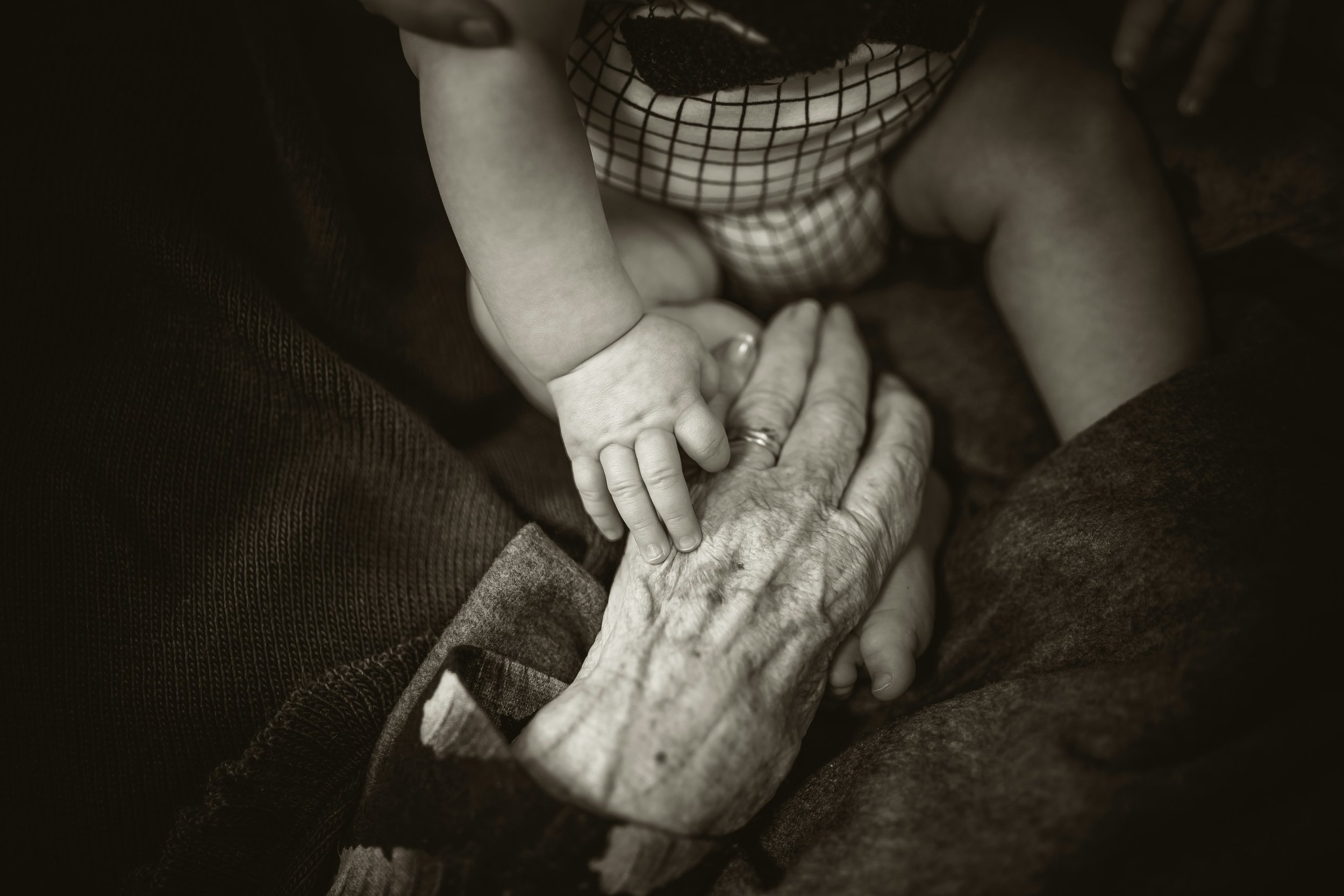
Generational trauma is often discussed in mental health and faith circles because it sometimes explains deep-seated patterns. At its core, generational trauma refers to the way pain, fear, and unresolved wounds from one generation can shape the lives of those who come after. It doesn’t require someone to have lived a specific event themselves. The effects can travel quietly through family systems, showing up in patterns of anxiety and disconnection, shame, or difficulty trusting others. When faith is part of the picture, these patterns can have a spiritual dimension as well.
How These Wounds Move Through Families
Researchers have explored how trauma can be passed down through several channels. One is behavioral: parents who experienced abuse or neglect may develop coping patterns that inadvertently affect how they parent. A father raised in a home where emotions were suppressed may struggle to connect emotionally. Not out of indifference, but because he never learned how.
Another channel is epigenetic transmission, where high levels of stress in one generation can influence the biological stress systems of the next. Studies of Holocaust survivors and their children, as well as research on the descendants of enslaved people, suggest that trauma leaves biological imprints that can be carried forward.
Generational trauma can also manifest in individuals of faith as inherited theological wounds. A family with a distorted view of God as punishing or withholding may raise children who struggle to trust God’s love, even when they intellectually believe in it. Shame and the suppression of difficult emotions can become spiritual norms passed from one generation to the next.
Recognizing the Signs in Your Own Life
Generational trauma frequently remains unnoticed, embedded in patterns that seem entirely normal because they’ve always been there. Some signs that generational trauma may be at work include:
Persistent anxiety or hypervigilance that doesn’t make sense in your current circumstances
Difficulty expressing emotions or a sense that feelings are unsafe
Repeated relational patterns across generations, such as emotional distance or conflict
A deep sense of shame that feels embedded rather than situational
A complicated or painful relationship with God, church, or spiritual authority
What Scripture Says About Inherited Wounds
Scripture on generational healing explains how family pain moves through time. While Exodus 20:5 mentions that a father’s sins can affect the third and fourth generations, this isn’t a divine threat. It describes the reality of family systems: unhealed parents often raise children in the shadow of their own struggles.
The Bible also offers restoration, as Ezekiel clarifies that past chains do not define your future. Christ’s work focuses on setting captives free and loosening what has been bound. While faith might not instantly dissolve the effects of generational trauma, it invites you to bring inherited wounds into a space of redemption. God sees your history and offers a steady hand to help you heal.
How Trauma Therapy Works
Trauma therapy provides tools to address generational trauma that go beyond mere willpower or intellectual understanding. Experiential approaches help people access the emotional and physical dimensions of inherited pain, not just talk about it. This is important because generational trauma frequently exists beneath conscious awareness. It resides in the nervous system and automatic emotional reactions.
Faith-integrated trauma therapy takes this work seriously on both levels. It accommodates the clinical reality of inheritance while respecting the spiritual aspects of lament, forgiveness, and healing. Many discover that, through this type of care, they start to shift from merely coping with their family history to experiencing something truly different.
Ready to Know More?
If generational trauma is affecting you, working with a therapist blending clinical skill and Christian care can be a meaningful step toward change. Call us to learn more about how trauma-informed Christian therapy can help. This one phone call may set you on the path to redemption.