
Group Therapy

CURRENT GROUPS
Do You Feel Like You’re Carrying Too Much Alone?
Have you been holding in pain for so long that it has started to feel normal? Maybe you’ve learned how to keep moving, keep working, keep showing up, and keep your deeper struggles hidden. On the outside, you may look fine, but inside, you feel overwhelmed, disconnected, discouraged, or unsure of how to move forward.
Anyone can come to a point where individual coping strategies are no longer enough. You may notice recurring relationship patterns, emotional exhaustion, unresolved trauma, or a quiet sense that something in your life needs to change. You may want healing, but you are tired of trying to untangle everything on your own. You may also want faith to be part of that healing, but you have not always known where to find a safe place that honors both your emotional needs and your spiritual convictions.
Group therapy can be a powerful place to begin that work. In a supportive, guided setting, you can start to understand your story more clearly, hear your experience reflected in others, and discover that you are not as alone as you may have felt.
Have any questions? Send us a message!
You Are Not Meant To Heal In Isolation

One of the hardest parts of suffering is the loneliness that often comes with it. When people are hurting, they frequently withdraw, hide, or try to manage everything privately. That isolation can deepen shame, increase anxiety, and make old wounds feel even heavier.
This is especially true for adults who have experienced trauma, loss, relational disappointment, spiritual wounds, or seasons of chronic stress. Many people also carry messages from childhood, past relationships, or faith experiences that tell them they should be stronger, more spiritual, or more put-together than they feel. Over time, that pressure can make it difficult to ask for help.
The truth is that healing often begins when safety interrupts the silence. In group therapy, you have the opportunity to hear from others navigating similar struggles and to experience support in a structured, confidential, and intentional setting. The presence of others does not replace personal healing; it often helps make that healing more accessible. For many people, that is where real change begins.
Group Therapy Can Help You Grow In Connection
In group counseling work, you are invited to a space that is both compassionate and thoughtfully guided. The goal is not to force vulnerability or push people beyond what they are ready for. Instead, participants move at a pace that feels respectful, emotionally safe, and meaningful. For some, that begins with simply listening. For others, it means learning to speak honestly for the first time in a long time.

Group therapy can help you identify patterns that show up in your relationships, your emotional life, and even your spiritual life. It can help you recognize how trauma, shame, fear, grief, conflict, and unmet needs affect the way you connect with others. It can also help you practice new ways of relating in real time, with support and feedback from a skilled facilitator.
Because our work is trauma-informed and grounded in Christian counseling, we attend to both emotional safety and spiritual care. Pacing, trust-building, and choice are all important. Faith is also welcome as a resource for healing when it is meaningful; however, we know this can be an area that brings pain. This kind of environment can foster deeper honesty, greater self-understanding, and authentic connection.
Different Groups For Different Needs
Not every person needs the same kind of group experience. Some people benefit most from a trauma and emotional healing group, where the focus is on safety, stabilization, and understanding how past wounds affect the present. Others may be better served in a men’s process group, where identity, relationships, responsibility, and emotional expression can be explored in a setting that feels honest and relevant.
Interpersonal process groups can help adults better understand their relational patterns, improve communication, and grow in confidence and connection. These groups can be especially helpful for people who feel stuck in repeated cycles of withdrawal, overfunctioning, people pleasing, conflict, or isolation.
In addition to ongoing therapy groups, workshops can focus on specific topics such as emotional regulation, trauma recovery, relational health, communication, boundaries, or faith-based growth. Workshops can be a helpful entry point for people who are not yet ready for a group or who want focused support around a particular issue. Whether through group counseling or a workshop format, the goal is the same: to create a space where healing becomes more accessible and less overwhelming.

What To Expect In Group Counseling

When you begin group counseling, we will first make sure the group is a good fit for your needs and goals. We want you to have a clear sense of the group’s purpose, expectations, and structure before you join. That includes understanding the topics to be covered, what participation entails, and how confidentiality is handled.
Sessions may include prompts, psychoeducation, reflection questions, or guided discussion. At times, we may focus on present-day concerns. At other times, we may explore deeper emotional or relational themes that are shaping how you live and connect. The group is not about fixing people or comparing pain. It is about helping each person grow with honesty, care, and accountability.
Many people find that therapy groups help them discover they are more resilient than they realized. They begin to notice that healing does not always happen all at once. Sometimes it happens through repeated experiences of being seen, challenged, supported, and encouraged in a safe community. That process can be especially powerful when it is rooted in truth, compassion, and faith.
Why Group Therapy Can Be So Helpful
Group therapy offers something that individual work cannot always provide in the same way: the experience of being known by others while you are still becoming known to yourself. When you hear another person name a fear, a wound, or a pattern you thought was unique to you, shame often begins to lose its power. That kind of shared recognition can be deeply healing.
It can also help you practice new ways of relating in a real-world setting. Instead of only talking about communication, boundaries, or emotional expression, you have the chance to practice those skills with support. That makes the learning more immediate and more memorable. Over time, the group becomes a place where insight turns into change.
For Christians seeking faith-based counseling, group therapy can provide a space to work out your faith with others on similar journeys and learn from those on different ones. Healing in community can foster an environment where your true self can emerge, and emerge from the broken places of the past. Healing should not require you to split off a part of yourself in order to be helped; it should foster wholeness.
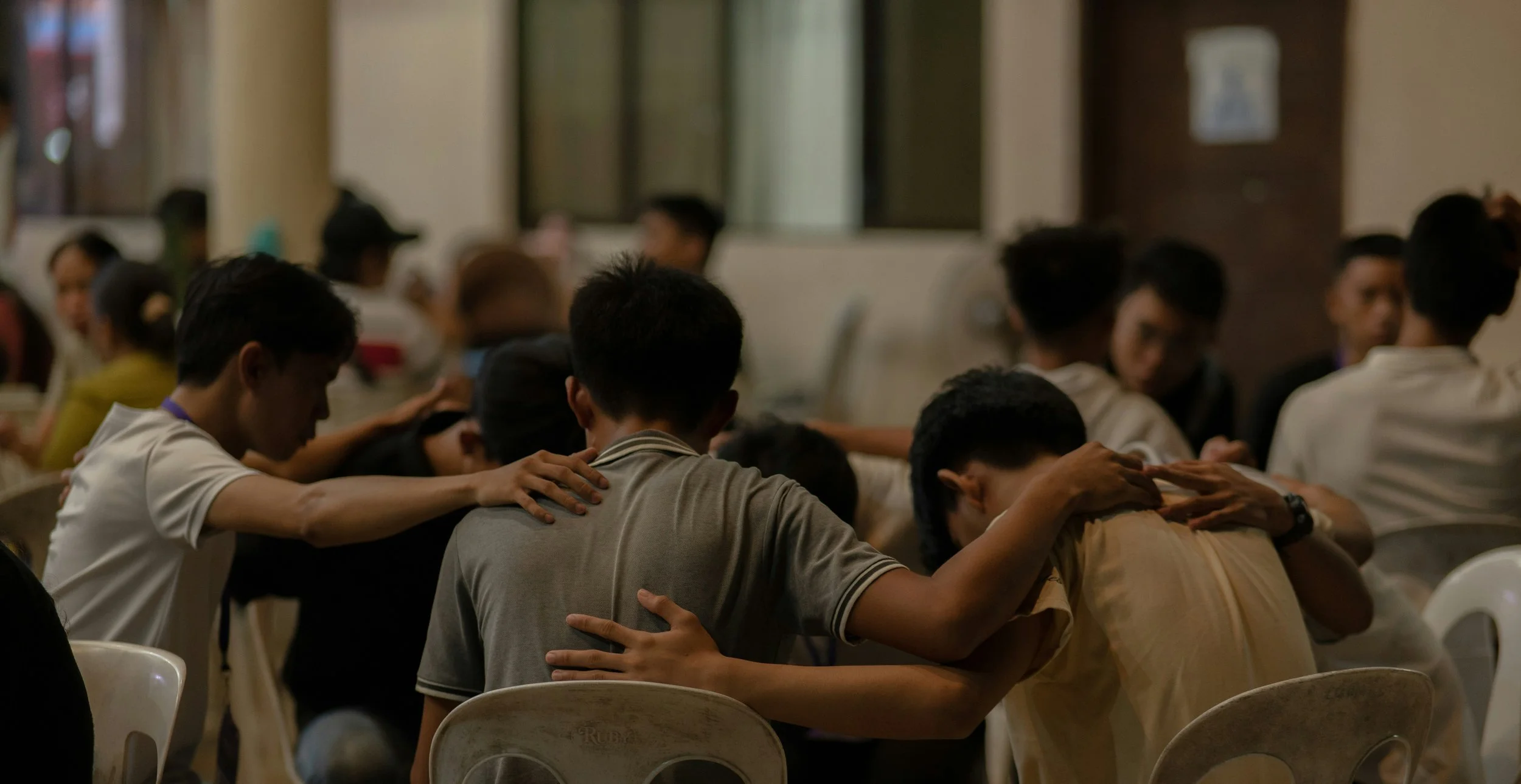
Questions/Concerns You May Still Have About Group Counseling
-
That is okay. Many people feel nervous at first. You will never be expected to disclose more than you are ready to share, and part of the work is learning that safety can grow over time.
-
That concern makes sense, especially if you have been misunderstood before. A well-led group is built to reduce judgment, not increase it. The goal is mutual respect, not comparison or pressure.
-
We will talk through your needs, your goals, and your comfort level before moving forward. Sometimes a group is the right next step. Other times, individual work is a better place to begin. Our role is to help you discern what is most helpful.
A Place To Begin
If you are looking for a supportive environment where healing, faith, and growth can meet, group therapy may be a meaningful next step. We would be honored to help you explore whether one of our groups or workshops is the right fit for you.
If this is the kind of support you have been needing, I invite you to reach out and learn more about current group counseling opportunities.