Understanding Generational Trauma: How Family History Shapes Us and How to Heal
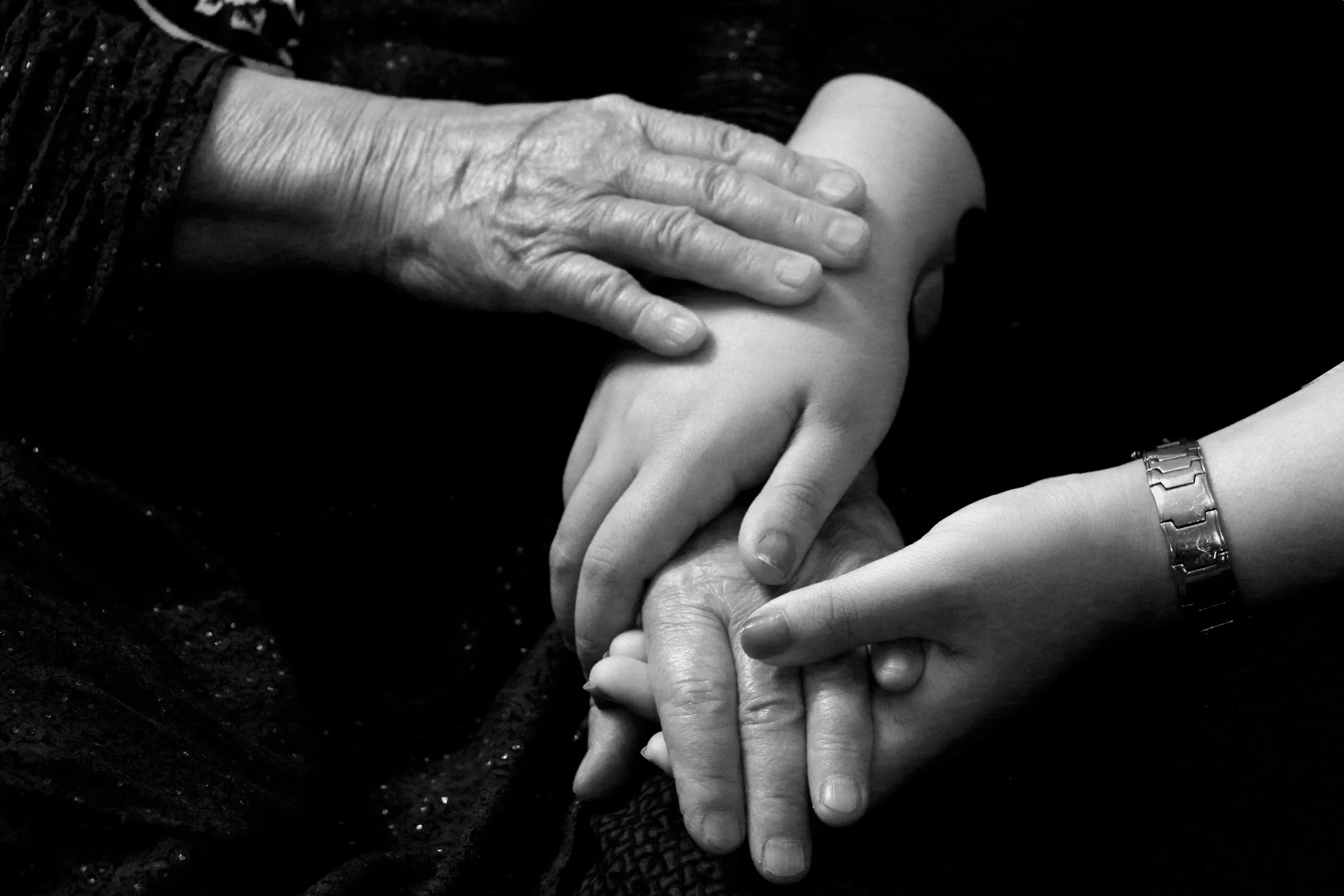
One of the most famous opening lines from any book is from Leo Tolstoy's Anna Karenina. When translated into English, it reads: "Happy families are all alike; every unhappy family is unhappy in its own way."
This is an incredible line, and it points to a deep reality in family life. While unhappiness in families comes in a variety of forms and can have various origins, one significant source is trauma. Another way to express this truth is: "What is not transformed is transmitted." When this idea is paired with Tolstoy's line, together they illuminate how, in each family, unique untransformed traumas are transmitted to the next generation.
This is a truth that deeply affects each of us. What are we to make of it, and what can be done about it?
How Generational and Family Trauma Affects Us
One framework for understanding the transmission of trauma between generations is the ACEs framework. The framework has already been discussed in greater depth in another blog, Understanding Adverse Childhood Experiences, so only a brief overview will be provided here.
There are ten commonly identified ACEs:
physical abuse
emotional abuse
sexual abuse,
physical neglect,
emotional neglect,
having a mentally ill individual in the household,
intimate partner violence toward one or more adults in the household,
divorce between parents or guardians,
having an incarcerated relative,
and substance abuse or misuse in the home.
ACEs are strongly associated with adverse outcomes. These negative outcomes affect physical health (increased risk of chronic disease and early death), psychological health (increased risk of diagnosable psychological disorders, suicidal thoughts and behaviors), and even financial circumstances (restricted access to education and employment). Notably, there is a dose-response relationship between the number of ACEs a person experiences and the likelihood of negative outcomes: more ACEs increase the likelihood of adverse effects. Additionally, individuals who have experienced ACEs are more likely to have children who experience ACEs.
Understanding Big-T and Little-t Trauma in Families
It is also worth distinguishing between Big-T traumas and Little-t traumas. Big-T traumas are more obvious: an instance of sexual assault, exposure to combat or a natural disaster, etc. They are typically overtly distressing events. Little-t traumas are often unacknowledged and are more pervasive than Big-T traumas. Examples include emotionally distant parents, extended periods of poverty, or persistent bullying. Though Big-T and Little-t traumas differ notably, they often produce similar detrimental outcomes. Acknowledging these outcomes is especially important to consider, given that many traumas experienced in a family context are Little-t traumas and not always obvious.
How to Break the Cycle of Generational Trauma
A good starting point for addressing your own family or generational trauma can be found in returning to the quote,
"What is not transformed is transmitted."
But what does transforming your trauma mean?
Often, family or generational traumas have attachment effects. With this in mind, it can be helpful to engage in secure relationships—meaning relationships with family members and friends in which ruptures are repaired. Note that this differs from a relationship with no conflict. In relationships with ruptures and repairs, there is actually a greater sense of closeness and security than if there had never been a rupture at all. Most importantly, relationships with a genuine sense of closeness and security can provide corrective emotional experiences and co-regulation, both of which are important parts of healing from trauma.
Additionally, if relationships with other people are particularly difficult, having the right pet or being part of a broader community can offer some benefit, though less than secure relationships with other people.
Ultimately, wounds of a relationship heal through relationship. If you find yourself motivated to pursue healing from family or generational trauma, it may be worth considering therapy.
Finding Support for Healing
At Hope Healing, therapists offer Trauma Therapy through a therapeutic relationship that fosters your healing and flourishing. You don't have to bear your wounds alone; Hope Healing therapists are here to walk with you.