How Does Complex Trauma Differ from Other Trauma?
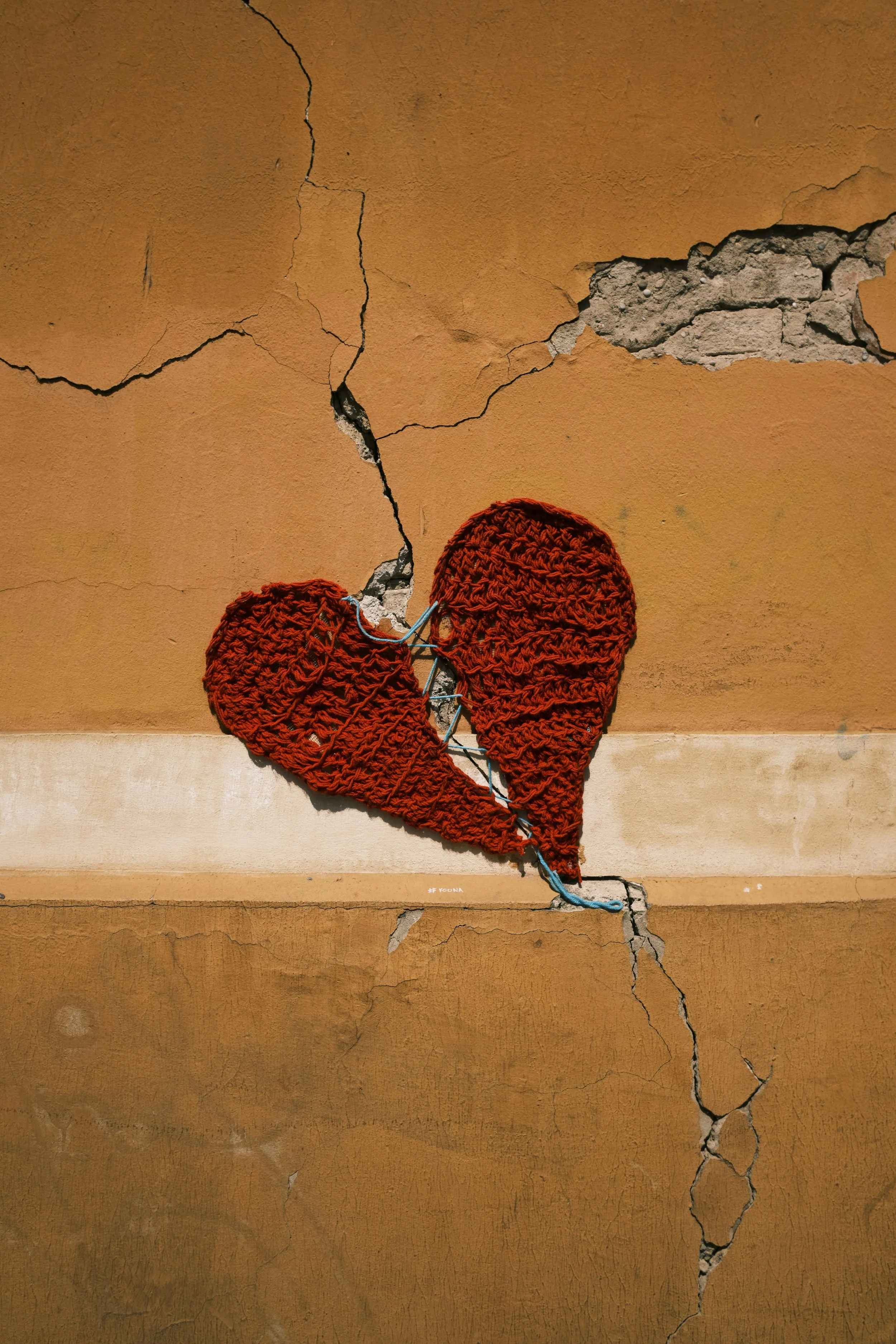
While some people can look back on a difficult memory and simply brush it off, the experience of complex trauma feels much more permanent. Some memories may fade quickly, but certain events have left deeper, more tangled wounds that impact your daily life.
The distinction between complex trauma and other forms of distress isn’t just a clinical label. It’s a personal reality that changes your internal landscape. It influences how you view your worth and whether you feel secure in your relationships. Unlike a single event with a clear beginning and end, this experience accumulates over time following a series of traumatic events, often taking root before you can even speak.
What Is Complex Trauma?
Make no mistake; single-incident trauma, like a car accident, a natural disaster, or a one-time assault, can be devastating. PTSD often develops in response to these, bringing flashbacks, avoidance behaviors, and hypervigilance. But complex trauma, sometimes called C-PTSD, develops differently. It emerges from prolonged, repeated harm, usually in relationships where there was no escape and little safety.
Common sources include:
Childhood neglect or emotional, physical, or sexual abuse
Growing up in a home marked by addiction, mental illness, or violence
Spiritual or religious abuse
Domestic violence or prolonged relational harm
The real difference lies in more than just the events themselves. It comes down to how long you were stuck, how impossible it felt to get away, and whether the hurt happened inside a relationship where you should have been protected.
How C-PTSD Is Different
PTSD tends to be organized around a specific event. C-PTSD, by contrast, reaches into how a person experiences themselves and others across every area of life. How complex trauma is different becomes clear when you look at its symptoms. With C-PTSD, you may notice:
Persistent shame or guilt
Difficulty regulating emotions; feeling flooded one moment and completely numb the next
Chronic distrust of others
Dissociation or a sense of being disconnected from your body
Repeated harmful relationships, even when you don’t want them
In PTSD, the nervous system reacts to a memory. In complex trauma, the nervous system learned to survive an ongoing reality. That’s a different kind of wound that needs a different kind of care.
Faith, Shame, and the Wounds Beneath the Wound
For Christians carrying complex trauma, the suffering is often layered. Some were harmed by people who claimed to love them in the name of God. Others absorbed messages that their pain was a sign of weak faith. The shame that accompanies C-PTSD can become entangled with theology in ways that make it harder to receive grace from anyone, God included.
Scripture holds more honesty about prolonged suffering than the secular world gives it credit for. The Psalms, in particular, are full of lament that stretches across time. Not a single cry, but seasons of darkness. Jeremiah, Hagar, Daniel, and Joseph all endured what would today be recognized as complex trauma. Their stories were not resolved quickly, and their pain was not minimized. God met them in the middle of it. And He’ll do the same for you.
Why It Matters
Because C-PTSD is rooted in relationships and developed over time, it needs more than symptom management. Effective therapy for complex trauma focuses on safety first. Only then can the processing of events happen. This type of therapy addresses shame, identity, and the internalized voices of the people who caused harm.
The difference with complex trauma isn’t just a clinical detail. It’s the reason why care needs to go deeper than coping skills alone. If the trauma formed who you believe you are, healing requires that those beliefs be gently and carefully examined.
If you’re ready to tackle your complex trauma, reach out to us to schedule an appointment for trauma therapy. We can help you sift through the ashes to find the beautiful you inside.